
NFL
Fauci Lied for Power, Ego, and Profit: The Full List of How He Got Ivermectin, Vaccines, Masks, Lockdowns, Case Fatality Rates, and the Wuhan Lab Completely Wrong – Time to Put Him Behind Bars

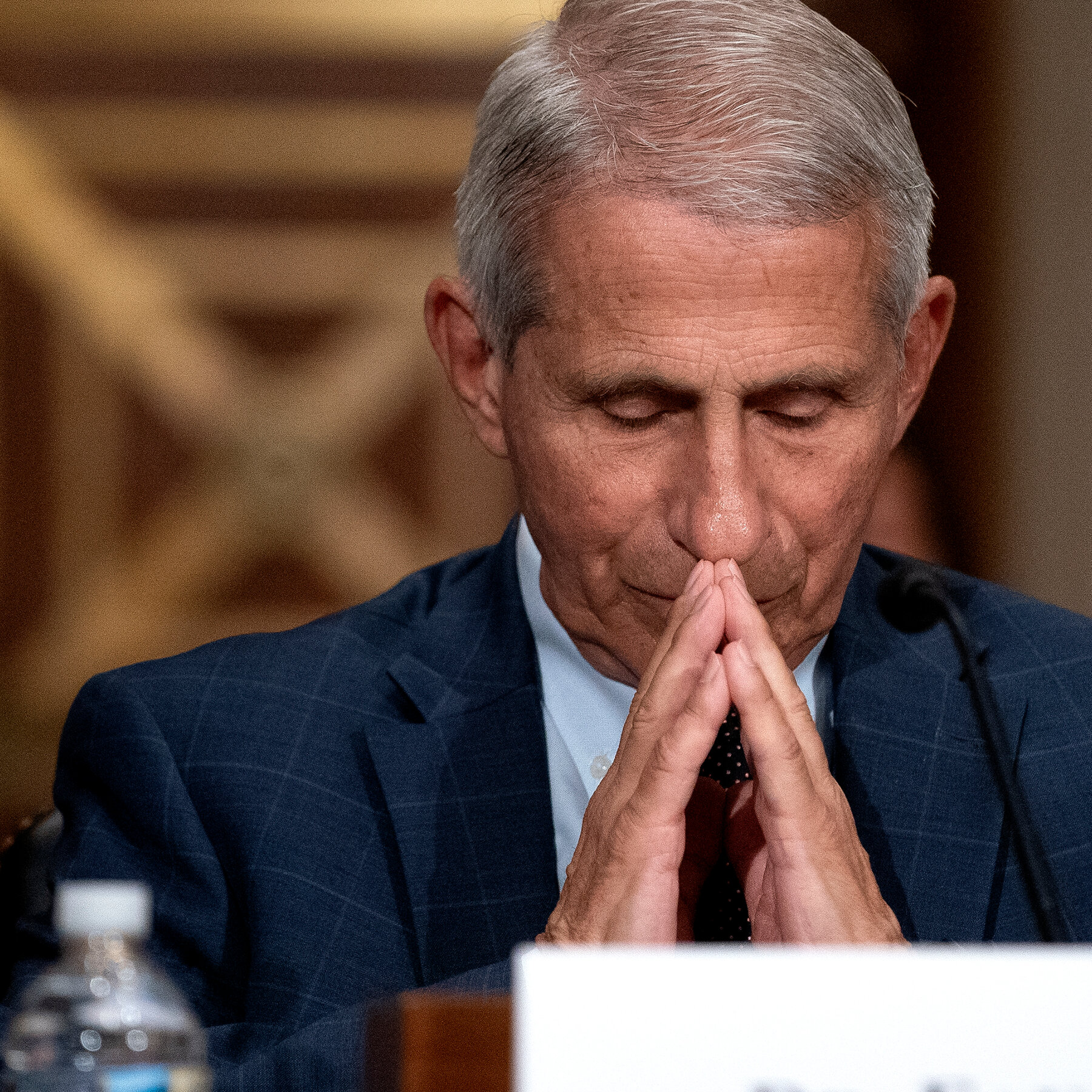
Six years after the peak of the COVID-19 pandemic, the official narrative that once dominated media, governments, and public health institutions continues to unravel under scrutiny.
Anthony Fauci, the longtime director of the National Institute of Allergy and Infectious Diseases and the public face of America’s pandemic response, shaped policy on treatments, vaccines, masks, lockdowns, testing, and origins. A growing body of evidence, retrospective analyses, and congressional hearings in 2026 show that many of the core claims pushed under his leadership were overstated, contradicted by data, or actively harmful.
Early skeptics who challenged the orthodoxy were censored, deplatformed, and labeled. History is now catching up.Early Treatments Were Dismissed While Questionable Drugs AdvancedRepurposed drugs such as ivermectin and hydroxychloroquine showed promise in early observational studies and some meta-analyses for reducing severity when used early. Critics of the official line pointed to mechanisms involving antiviral and anti-inflammatory effects. Large randomized trials and Cochrane reviews later concluded there was no clear benefit for treatment or prevention in most settings, and some positive analyses were criticized for including lower-quality data. Yet the aggressive suppression of discussion, threats to physicians who prescribed them, and the simultaneous promotion of remdesivir—a drug with modest benefits at best and documented concerns around kidney and liver effects in pharmacovigilance data—created the appearance of protecting preferred pharmaceutical pathways over inexpensive alternatives.
In 2026 Senate hearings, lawmakers continued to press Fauci and officials on why promising early signals were sidelined so thoroughly.mRNA Vaccines Delivered Benefits with Under-Acknowledged CostsmRNA COVID-19 vaccines reduced severe disease and death in high-risk groups, particularly early in the pandemic against the original strains, and large studies through 2025–2026 continue to show associations with lower all-cause mortality in many cohorts. Serious adverse events remained rare on a population level.
However, the risks were not zero. Myocarditis and pericarditis, especially in young males after the second dose, were confirmed and led to updated FDA labeling. Questions persist about the duration of spike protein production in some individuals, potential immune effects from repeated dosing, and the appropriateness of universal mandates for low-risk groups, including healthy children and young adults.
Excess mortality patterns in heavily vaccinated countries during the Omicron era, combined with reports of persistent symptoms in some vaccine recipients, keep the safety debate alive. Blanket claims of absolute safety and the social pressure that accompanied mandates ignored these trade-offs.

Fauci Lied for Power, Ego, and Profit: The Full List of How He Got Ivermectin, Vaccines, Masks, Lockdowns, Case Fatality Rates, and the Wuhan Lab Completely Wrong – Time to Put Him Behind Bars

Tusk po spotkaniu z Zełenskim. Na stole inwestycje i tarcza obronna

Nawrocki właśnie podpisał! Świetnie wieści dla milionów Polaków

TEST PIERŚCIONKOWY „GLAM & VINYL”: JAKA JEST TWOJA WEWNĘTRZNA TOŻSAMOŚĆ GWIAZDY ROCKA?

Niepokojące zaginięcie 25-letniej Ling-Diane w Fontainebleau: co wiemyNiepokojące zaginięcie 25-letniej Ling-Diane w Fontainebleau: co wiemy

Eminem: Jak złamane dzieciństwo ukształtowało jedną z największych gwiazd świata

Znaleziono martwego rolnika i 16 krów: niewidzialne zjawisko, które spowodowało tę tragedię

Nie żyje Beata. Spełnił się najczarniejszy scenariusz

Doszło do druzgocącej tragedii

Nie żyje Andrzej Komorowski

Angie Stone: amerykańska piosenkarka zmarła tragicznie w wieku 63 lat.
