
CELEBRITY
Thank You All For The Messages And Prayers! I Will Get Back To You Each Individually As I Get Stronger. Thank You To All The Tampa General Hospital Staff And Doctors That Put Up With Me Until 4:30am. I Appreciate You All And Thank You For Everything You Did For Me! I Am Focused On My Healing And Recovery Right Now. I Will Be Okay! And Just So You Know For Those Who Were Asking And Wondering, I Don’t Own My Own Facebook Page Anymore. I Apologize For The Reckless Posting Behavior On My Facebook When I Was In The Hospital. It Was Completely Inappropriate!

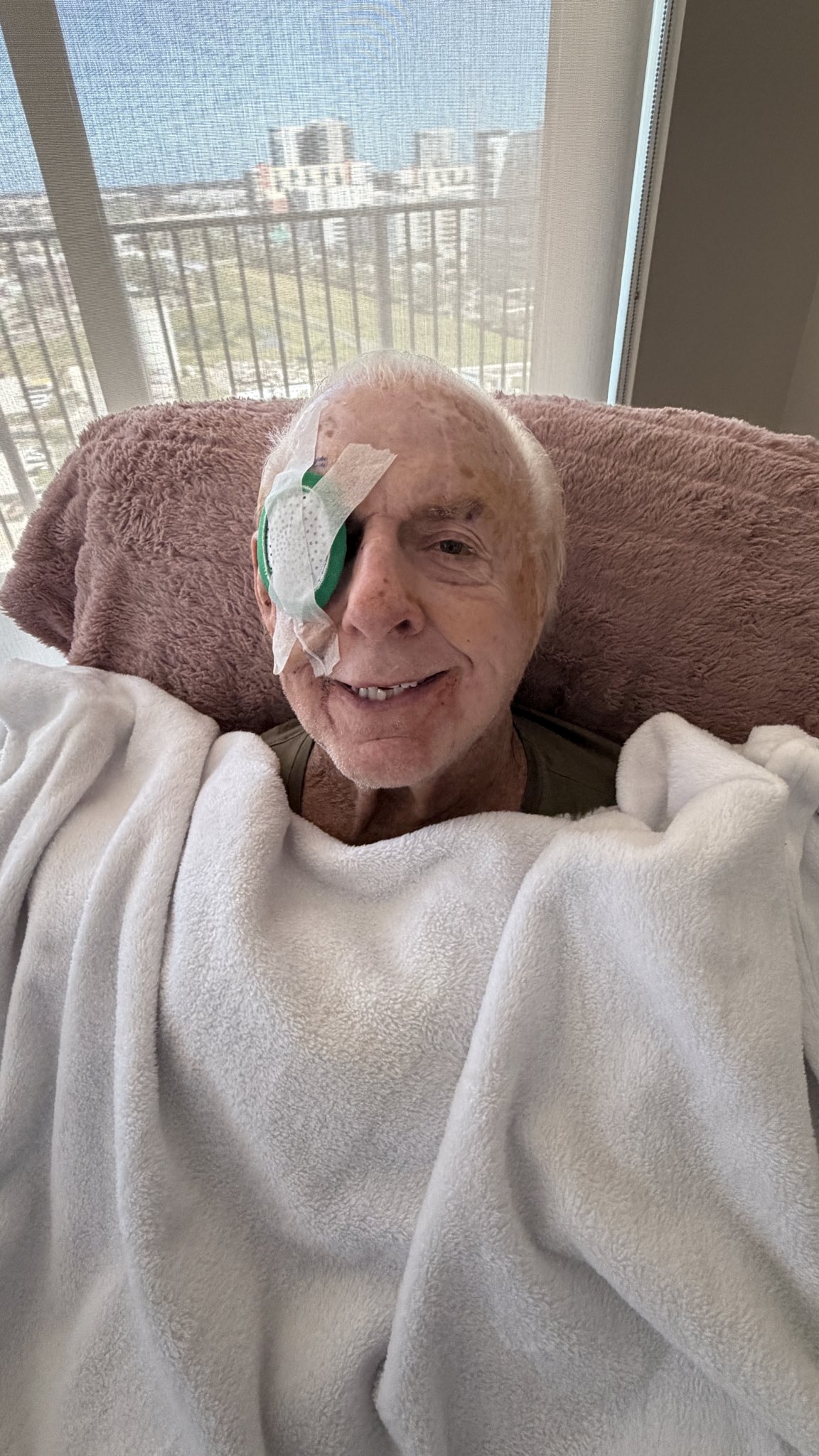
A heartfelt message following a hospital stay is drawing attention after an individual thanked supporters for their prayers, expressed gratitude to the medical team at Tampa General Hospital, and addressed concerns about activity on their Facebook page.
In the emotional update, the individual reassured everyone that their priority is healing and recovery, promising to respond personally to messages as their strength returns. The message also included an apology for what they described as inappropriate posting behavior on Facebook while they were in the hospital.
The statement offered several important points for supporters: appreciation for the people who provided medical care, gratitude for the outpouring of concern, a commitment to recovery, and a clarification about who currently controls the individual’s Facebook page.
Although the precise medical circumstances were not disclosed in the message, the update made one thing clear: the individual wants to concentrate on getting better.
A Heartfelt Thank You to Supporters
The message began with gratitude for the many people who had reached out with prayers, supportive messages, and words of encouragement.
Receiving messages from friends, family members, and supporters can be especially meaningful during a hospital stay. However, responding individually to everyone can become difficult when someone is concentrating on their health.
Acknowledging that reality, the individual explained that personal replies would come as they became stronger.
The promise to respond to each person individually reflects an appreciation for those who took time to check in during a worrying period.
For supporters who may have been waiting for a response, the update provided reassurance that their messages had not been overlooked intentionally. The individual simply needs time to recover before returning to those conversations.
The message also emphasized that healing must come first.
Rather than attempting to answer every question immediately, the individual is choosing to prioritize recovery and gradually regain the strength needed to reconnect with people.
Special Appreciation for Tampa General Hospital Staff
One of the most striking details in the statement was the public acknowledgment of the staff and doctors at Tampa General Hospital.
The individual thanked the medical team for their efforts, specifically mentioning that the staff had stayed involved until approximately 4:30 a.m.
The message expressed appreciation for the doctors and hospital employees who provided care during the difficult hours.
Hospital care can require considerable patience, teamwork, and attention, particularly when patients need assistance late at night or into the early morning. The individual’s words conveyed gratitude for the people who were present and helped them during their hospital stay.
By mentioning the hospital by name, the individual also made the appreciation personal and direct.
The statement did not provide further information about the treatment received, the reason for the hospitalization, or how long the stay lasted. It would therefore be premature to draw conclusions about the medical circumstances.
What the message did communicate clearly was a sincere desire to recognize the people who helped.
For the individual, acknowledging the medical team was an important part of the update, alongside thanking the supporters who had offered prayers and encouragement.
“I Am Focused on My Healing and Recovery Right Now”
Perhaps the most reassuring part of the message was the individual’s declaration: “I will be okay!”
The statement was followed by an explanation that the current priority is healing and recovery.
For people who had been worried about the individual’s condition, those words may offer some comfort. They communicate an intention to focus on getting better rather than allowing outside demands to take priority.
Nevertheless, the message did not specify a diagnosis, provide a medical prognosis, or outline a recovery timeline. The reassurance should therefore be understood as the individual’s own statement rather than a detailed medical update.
Recovery can involve taking time away from ordinary responsibilities, limiting stress, and accepting support from others. The individual’s decision to focus on healing suggests that returning to normal communication and activities may take time.
The request for patience is also important.
Supporters may naturally want immediate answers when someone they care about has been hospitalized. But a person recovering from a medical issue may not have the energy to explain everything or respond to every message.
By communicating directly with supporters, the individual has established a clear expectation: recovery comes first, and personal replies will follow when possible.
The Facebook Clarification That Raised Questions
Alongside the health update, the individual addressed another issue that could have caused confusion among people following their social media activity.
The message stated that they no longer own their Facebook page.
The individual also apologized for what they described as reckless posting behavior on the account while they were in the hospital, calling it completely inappropriate.
This clarification is significant because social media posts can quickly attract attention, particularly when they appear during a period of illness or hospitalization.
Friends and followers who saw unusual or unexpected content may have wondered whether it reflected the individual’s intentions.
The apology acknowledges that concern while distinguishing the individual’s current focus from the activity that occurred during the hospital stay.
However, the statement does not explain who now owns or manages the Facebook page, what was posted, or who was responsible for the specific activity.
It would be unfair to speculate about those details without further information.
What can be established from the message is that the individual wanted to address the issue publicly, apologize for the posting behavior, and clarify that they no longer own the page.
The decision to include this explanation suggests that clearing up potential misunderstandings was important enough to address alongside the recovery announcement.
An Apology and a Request for Understanding
Public apologies can be difficult, especially when they concern behavior that has already attracted attention.
In this case, the individual did not simply thank supporters and announce a focus on recovery. They also acknowledged that the Facebook posting behavior was inappropriate and offered an apology.
That acknowledgment may help address questions from followers who encountered the posts and were unsure how to interpret them.
At the same time, the message leaves important details unanswered. There is no explanation of the exact circumstances surrounding the posts, and the individual did not identify the person who currently owns the Facebook page.
Until more information is provided, readers should avoid drawing conclusions about responsibility or the events that occurred.
The most responsible interpretation is to take the statement at face value: the individual regrets the posting behavior, has clarified their relationship to the page, and wants to move forward while concentrating on recovery.
Supporters Are Being Asked to Give Recovery Time
The message ultimately returns to its central theme: gratitude.
The individual thanked those who had prayed, sent messages, and offered encouragement. They also expressed appreciation for the doctors and staff who provided care during the hospital stay.
The promise to respond personally as strength returns indicates that the individual values those relationships, even if immediate replies are not possible.
For supporters, the clearest way to respond may be to respect the request for time and privacy while continuing to offer encouragement.
There is no need to demand immediate answers about the hospitalization or the Facebook page. Those details can be addressed if the individual chooses to share more information in the future.
For now, the public update provides a straightforward message of appreciation, apology, and determination to recover.
A Message of Gratitude, Recovery, and Moving Forward
The statement combines three important themes: thanking the people who offered support, recognizing the hospital team that provided care, and addressing concerns about social media activity.
It does not reveal the full story behind the hospitalization, but it communicates the individual’s current priorities.
They want to heal, regain their strength, and reconnect with supporters when they are able. They also want to clarify the situation involving their Facebook page and apologize for the inappropriate posts.
The closing reassurance, “I will be okay,” captures the tone of the update.
For those who have been concerned, the message is an invitation to remain patient while the individual focuses on recovery.
What stands out most is the combination of gratitude and accountability: thanking the people who helped during a difficult time while acknowledging concerns about the Facebook posts. For now, the individual is asking for understanding, patience, and the space needed to heal.

Tom Brady, 49, Spotted Hugging and Kissing 38-Year-Old Supermodel Candice Swanepoel on His $20 Million Mega Yacht! But What Happened Next Between Them in Miami Has Fans Asking ONE Big Question!

Taylor Swift, Blake Lively, Donna Kelce, and Andrea Swift Arrive in Seattle on Taylor’s Private Jet to Support Travis Kelce at the Chiefs vs. Seahawks Game, but Fans Notice a Visible Mark on Taylor’s Rib and Stomach That Fuels What They Have Been Suspecting All Along… See Clearer Photos and a Never-Before-Seen Clip of Their Beautiful Arrival

🚨 BREAKING NEWS 15 MINUTES AGO: Kansas City Chiefs head coach Andy Reid has just revealed the heartbreaking reason why his players, especially quarterback Patrick Mahomes, couldn’t perform at 100%, following a devastating 20–3 defeat against the Seattle Seahawks. What the team had been silently enduring behind closed doors quickly turned the pressure of competition into an overwhelming wave of emotion, sympathy, and concern among Chiefs fans. ❤️💛🏈 WATCH:

Travis Kelce’s Reaction During Chiefs vs. Seahawks Has NFL Fans Talking! The Split-Second Moment That Stole Attention From the Action.

LIMITLESS LOVE: Travis Kelce Left Fans in Tears After Secretly Sending a Hot Air Balloon Across Kansas City With a Heart-Melting Message for Taylor Swift — But the Fireworks, Hundreds of Drones Forming a Giant Heart, and His Unbelievable Final Surprise Left Everyone Speechless! What Travis Revealed in Front of Family and Friends Made Taylor Burst Into Tears of Happiness… ❤️🎈✨ READ MORE:

Here’s How Taylor Swift & Travis Kelce’s Wedding Raffles Worked, According to Rob Gronkowski

PATRICK MAHOMES’ INJURY SCARE SENDS SHOCKWAVES THROUGH THE NFL: The Chiefs Superstar Takes a Brutal Hit That Leaves Everyone Holding Their Breath, as New Details Emerge About What Happened After the Collision READ MORE:

Patrick Mahomes didn’t tolerate one Kansas City Chiefs teammate disrespecting head coach Andy Reid during a team meeting.

Philippine Official Claims Thomas Markle May Allegedly Be ‘Sex Offender of the Grossest Kind’

Taylor Swift Flaunts Her Wedding Ring Again as She Blows Kisses to Travis Kelce, and Travis Response Is Just Too Sweet! ❤️ The Couple’s Romantic Lumen Field Moment Has NFL Fans Swooning, and They Can’t Stop Replaying the Clip ⤵️

TAYLOR SWIFT STUNS AT LUMEN FIELD BESIDE BLAKE LIVELY AND CAITLIN CLARK TO SUPPORT TRAVIS KELCE FOR CHIEFS VS SEAHAWKS GAME IN SEATTLE – BUT FANS NOTICE HER DIFFERENT LOOK AND ONE DETAIL HAS EVERYONE TALKING…
