
CELEBRITY
JUST IN: 🇺🇸🇮🇷 President Trump says he may have to destroy Iran soon. “I would rather not destroy the rest of the country if possible, but maybe I’ll have to. You’ll know soon enough.”

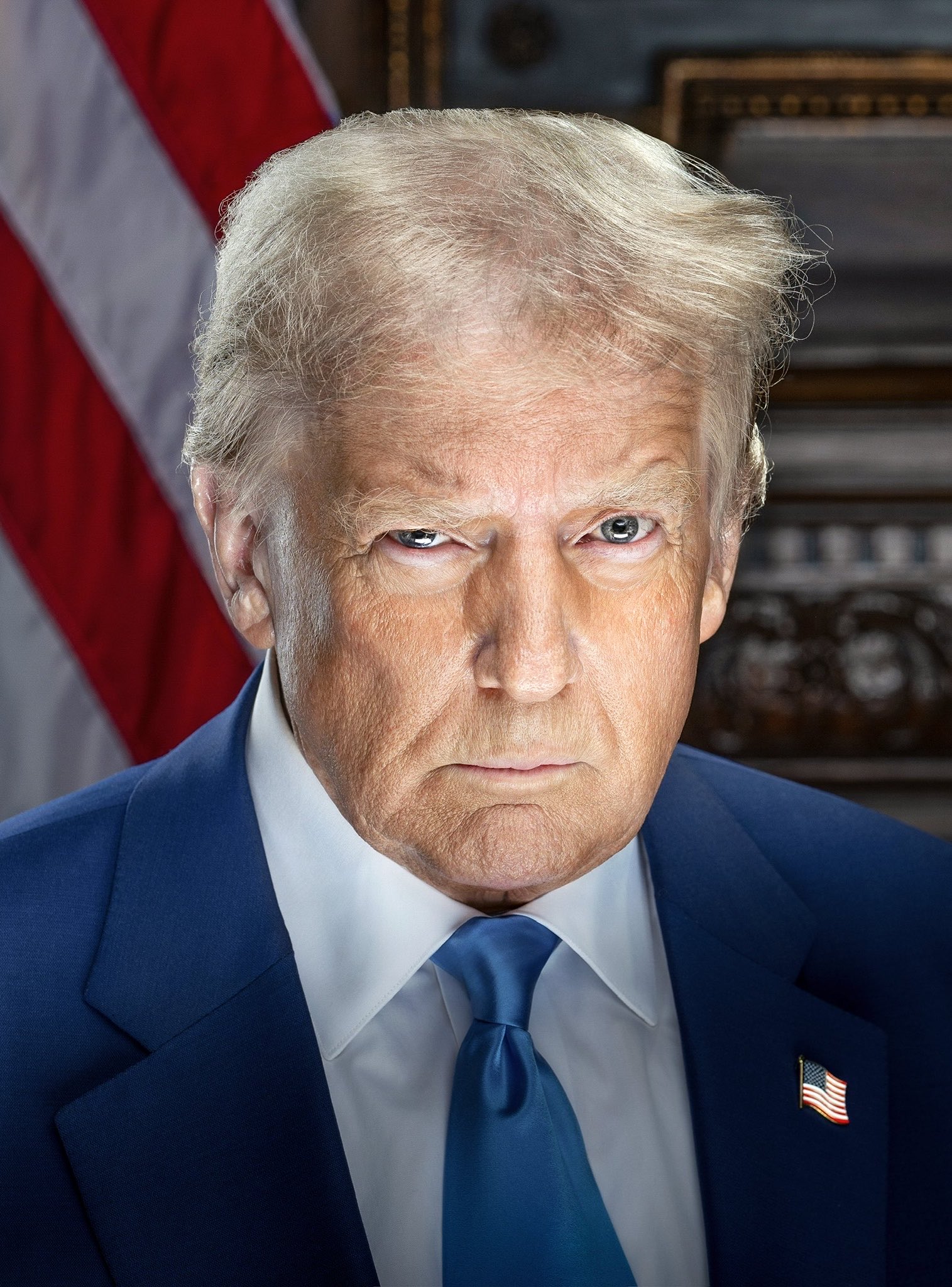
Trump Warns He May Have to Destroy Iran as Tensions Escalate: “You’ll Know Soon Enough” — Fresh Threat Raises Fears of Another Major Military Offensive
President Donald Trump has issued another stark warning over Iran, saying he would prefer not to destroy more of the country but suggesting that further military action could become necessary.
The remarks, attributed to the American president, have reignited international concerns about the direction of the conflict and whether Washington is preparing for another major escalation.
“I would rather not destroy the rest of the country if possible, but maybe I’ll have to. You’ll know soon enough,” Trump reportedly said.
The statement has drawn attention because it comes amid an increasingly complicated confrontation between Washington and Tehran, with military operations, diplomatic negotiations and disagreements over Iran’s nuclear programme continuing to dominate international discussions.
Although the precise wording of the circulating quotation requires confirmation against the original recording, Trump has made several documented threats against Iran in recent months.
His latest reported comments are therefore being viewed against a background of increasingly forceful American rhetoric and uncertainty over how the conflict will end.
Trump keeps military pressure on Iran
The president has repeatedly maintained that preventing Iran from obtaining a nuclear weapon remains one of his administration’s central objectives.
In September, during his address to the United Nations General Assembly, Trump openly questioned whether Washington should pursue an agreement with Tehran or take more drastic military action.
He presented two possible directions: allowing Iran an opportunity to rebuild through a negotiated agreement or destroying the Islamic Republic’s ability to threaten other countries.
The remarks attracted international attention, particularly because they were delivered before diplomats and representatives from countries around the world.
Trump also called for international pressure on Tehran and demanded progress on reopening the strategically important Strait of Hormuz.
However, his speech was followed by indications that diplomatic contacts between American and Iranian representatives were also taking place.
That contrast has become an important feature of the administration’s approach: maintaining military pressure while leaving open the possibility of negotiations.
Iran remains at the centre of the confrontation
For Tehran, Trump’s warnings present a serious challenge.
Iran has repeatedly rejected American demands that it views as unacceptable, while maintaining that its national security and sovereignty must be respected.
The Iranian government has also warned that further attacks could provoke retaliation.
The conflict has already created significant uncertainty across the Middle East, particularly for neighbouring countries concerned about the possibility of military operations spreading beyond the immediate confrontation.
Energy markets have also been affected by the instability.
The Strait of Hormuz is especially important because it connects the Persian Gulf with international shipping routes. A prolonged disruption could affect oil supplies, shipping costs and fuel prices across the world.
For countries that depend heavily on imported energy, developments in the region could have consequences far beyond the Middle East.
That is one reason why Trump’s latest reported warning is attracting attention from governments and financial markets internationally.
The November midterm setback adds another political dimension
Trump’s Iran policy is also facing increased scrutiny following the Republican Party’s losses in the November 2026 midterm elections.
Democrats have secured control of Congress, creating a new political challenge for the president during the remaining two years of his administration.
The conflict with Iran has become a significant domestic political issue, particularly because of its economic consequences and the effect of rising fuel prices on American households.
On November 4, Trump defended his decision to continue the military campaign, saying he would have made the same decision again.
He argued that preventing Iran from obtaining nuclear weapons justified the operation despite the political and economic costs.
Vice President JD Vance, meanwhile, acknowledged that the war contributed to the Republican Party’s election losses.
The disagreement over the political consequences of the conflict could become increasingly important as Democrats prepare to exercise their new congressional authority.
Although Congress cannot simply take over the president’s role as commander-in-chief, lawmakers can use budget legislation, investigations and oversight to challenge the administration’s decisions.
This means Trump’s future military strategy could face greater political scrutiny.
Could another wave of American strikes be coming?
The biggest question following Trump’s latest reported remarks is whether they represent another warning intended to pressure Tehran or a signal that additional military operations are being considered.
There are several possible paths forward.
One possibility is that Washington continues its military pressure while attempting to secure concessions through negotiations.
Another is that disagreements over Iran’s nuclear programme, military capabilities or regional activities lead to further American strikes.
A third possibility is that diplomatic negotiations produce an agreement capable of reducing tensions.
None of these outcomes is guaranteed.
Trump has previously demonstrated that he is willing to combine aggressive public warnings with statements suggesting that a negotiated settlement remains possible.
In September, he raised the possibility of annihilating the Islamic Republic before indicating that a deal could still be reached.
This suggests that his public statements should be considered alongside actual military decisions, diplomatic communications and official announcements.
Why the rest of the world is watching
The consequences of a wider conflict involving Iran and the United States could extend well beyond the two countries.
Israel would remain a major factor in the regional security situation, particularly given its longstanding concerns about Iran’s military and nuclear activities.
Gulf countries would also face difficult security calculations because of their geographical proximity to Iran and their dependence on stable shipping routes.
European governments have additional concerns about energy security, international trade and the possibility of a prolonged regional conflict.
Russia and China would also be watching developments closely because of their diplomatic and strategic relationships with Tehran.
For ordinary people, the consequences could be felt through higher fuel costs, increased transportation expenses and pressure on already fragile economies.
The possibility of further military escalation therefore carries implications for millions of people who have no direct involvement in the confrontation.
What happens next?
For now, the world is waiting to see whether Trump’s reported warning will be followed by concrete action.
Tehran must decide how to respond to Washington’s continued pressure, while American officials face the challenge of balancing military objectives, diplomatic possibilities and domestic political concerns.
The president has made clear that he does not want Iran to obtain a nuclear weapon and remains prepared to maintain pressure on the country.
However, a military campaign aimed at destroying an entire country would raise profound humanitarian, legal and international security concerns.
The distinction between targeting military capabilities and devastating civilian infrastructure is particularly important under international humanitarian law.
As tensions continue, the possibility of renewed negotiations remains significant.
For Trump, the challenge is finding a way to achieve his stated security objectives without allowing the conflict to expand into an even wider regional crisis.
For Iran, the immediate priority is navigating the pressure from Washington while protecting its national interests.
And for the international community, the concern is that another escalation could create consequences far beyond what either side initially intends.
The central question remains: Is Trump preparing to intensify military pressure on Iran, or is his latest warning another attempt to force Tehran back to the negotiating table?
The coming days could provide important clues about the direction of one of the world’s most closely watched conflicts.

Court of Appeal increases Henry Nowak killer’s minimum jail term from 21 to 25 years

JUST IN: 🇺🇸🇮🇷 President Trump says he may have to destroy Iran soon. “I would rather not destroy the rest of the country if possible, but maybe I’ll have to. You’ll know soon enough.”

Bianca Censori’s catsuit plunges past her belly button at Kanye West’s Yeezy comeback show

Tom Holland, 30, in London with new girlfriend, 35, after recent breakup with Zendaya, 30

Are Meghan Markle and Prince Harry’s Hollywood dreams in jeopardy? | Royals Recap

🇺🇸🇮🇱🇺🇦 Trump’s midterm defeat could RESHAPE the geopolitical balance in the Middle East and Europe 3 major consequences are emerging:

🚨🇺🇸 BREAKING: Marco Rubio is on resignation watch. Sources say he’s preparing to quit as Secretary of State to launch a 2028 presidential bid, wanting to distance himself from Trump and the Iran war. He’s perhaps the leading Republican candidate right now, ahead of JD Vance and Ron DeSantis. Vance moved fast after the midterms, publicly blaming the Iran war for the losses. Rubio hasn’t. But behind the scenes, he’s been notably quiet on Iran for months. Up to 5 cabinet members are reportedly preparing to exit the administration. The 2028 race is already gearing up…

Pentagon chief Pete Hegseth faces a likely impeachment vote when the House returns from the midterm elections.

🇺🇸 JUST IN! The internet is exploding with claims that Donald Trump was rushed to hospital after a devastating GOP midterm defeat.

BREAKING NEWS!!! US official confirms Harry & Meghan’s son Archie was born via surrogate in Colorado, USA. Meghan Markle FAKED pregnancy.😱😱😱

👑 Prince Harry and Meghan Markle have reportedly moved into a new home on a wealthy pal’s estate, triggering fresh speculation about their living arrangements, finances and future plans
